Quick answer
Before booking hardscaping in Mechanicsburg, make sure the written scope answers five things: what the finished area needs to do, how grade and runoff will be handled, what preparation and materials are included, how the new work meets the rest of the yard, and what care or open decisions remain. Compare the completed scope rather than one material price or hourly rate.
Mechanicsburg Site Conversation
Bring these three property conditions into the estimate
Cumberland County addresses stormwater through county planning, so existing water movement deserves attention. Point out downspouts, soft ground, washed edges, and spots that hold water after rain.
Fences, narrow side yards, slopes, driveway limits, established beds, and pool equipment can affect how materials and equipment reach the work area and what must be protected.
Show where the new patio, walk, wall, or steps must meet doors, concrete, lawn, planting beds, or another outdoor feature so elevations and edges can be discussed together.
What Should The Finished Hardscape Do For The Yard?
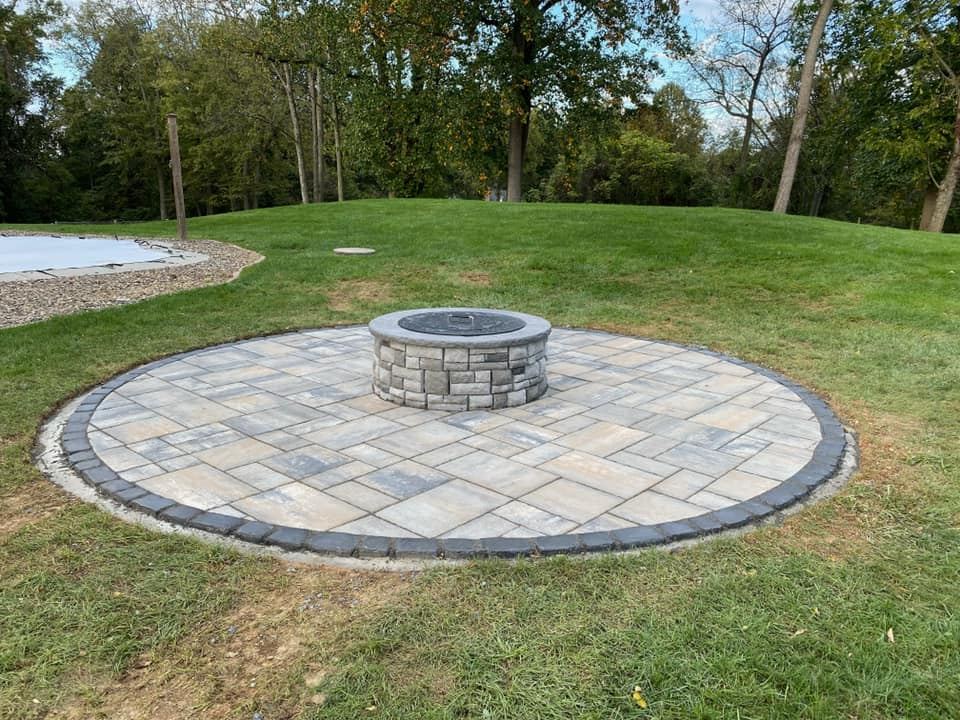
Start with use instead of material. A patio may need room for a table and a comfortable path from the house. A walkway should follow the route people actually take. Steps need to connect two elevations, while a retaining wall may hold a grade change or create a more usable edge. Explain what is difficult now, who will use the area, and which routes or features must stay accessible. Those answers give the layout a purpose and make it easier to judge whether an estimate describes the result you want.
What Is The Difference Between Hardscaping And Landscaping?
Hardscaping generally covers built features such as patios, walkways, walls, steps, stone edges, and concrete surfaces. Landscaping covers the living and maintained portions of the yard, including lawn, plants, mulch, and beds. The distinction matters when you compare scopes because a hardscape installation can disturb turf or create new bed edges. Ask whether the surrounding lawn, planting areas, grading, and cleanup are included, optional, or planned as a later phase. A finished patio with rough soil around it may not be the finished yard you expected.
Is There One Cheapest Hardscape Option?
There is no single least-expensive choice for every Mechanicsburg property. A material that looks economical by the square foot can require more removal, preparation, delivery, cutting, edge work, or maintenance in a particular setting. Project shape, grade changes, steps, retaining needs, equipment access, and restoration also affect the completed cost. Ask for options that solve the same problem, then compare each complete installed scope. Reducing unnecessary size or complexity may be more useful than choosing a surface on price alone, provided the smaller plan still handles use, drainage, and safe transitions.
- Compare options for the same intended use and approximate area.
- Ask which preparation and finish work changes with each material.
- Separate material allowances from labor, equipment, delivery, and disposal.
- Confirm whether a simpler shape or phased plan would still meet the goal.
What Usually Drives The Cost Of A Hardscaping Project?
The costliest part is not the same on every project. Demolition, excavation, base preparation, drainage, wall height or grade change, steps, material quantity, equipment access, and landscape restoration can each become a major driver. That is also why an hourly rate by itself is hard to evaluate: it does not show the crew, equipment, duration, materials, or completed result. Ask the contractor to identify the largest cost drivers in your scope and to explain what is included, allowed for, optional, or excluded. Compare totals only after the proposals describe substantially the same work.
- Removal, excavation, base material, and soil handling
- Drainage, finished pitch, retaining needs, and grade transitions
- Paver, stone, block, or concrete selection and quantity
- Access, delivery, equipment, protection, cleanup, and restoration
Where Will Water Go After The New Surface Is Built?
Patios and walkways add built surface, and walls or steps can change how grade and runoff move through the yard. Show where roof water enters the area, where puddles or soft spots appear, and where water currently leaves the property. Ask about finished pitch, adjoining elevations, wall drainage where applicable, and how the new work will meet lawn, beds, or existing concrete without trapping water. Requirements can vary by municipality and property, so it is also reasonable to ask whether the planned location, grade change, drainage work, or retaining feature should be checked with the municipality or an applicable homeowners association.
What Preparation And Finish Work Belong In The Scope?
The visible surface is only one part of a hardscaping project. A useful proposal should make removal, excavation, base preparation, edge support, wall backfill or drainage where needed, finished elevation, material selection, and cleanup understandable. It should also explain what happens where the new work meets a doorway, driveway, lawn, planting bed, pool area, or existing hardscape. Ask who is responsible for clearing the access route, moving furniture, confirming known utilities, restoring disturbed areas, and making final selections. Clear responsibilities reduce surprises once materials and equipment are scheduled.
- Approximate dimensions, layout, and finished elevations
- Preparation below the surface and support at edges or walls
- Protection, access, excess-soil handling, cleanup, and restoration
- Material allowances, exclusions, homeowner tasks, and open decisions
What Maintenance Questions Should You Ask Before Booking?
Maintenance varies by material and use, so ask before making a final selection. Find out how the surface should be cleaned, which products should be avoided, whether joints or edges need periodic attention, and how snow or ice-control products may affect the finish. Ask which conditions are normal and which deserve a call, especially ponding, settlement, washed edges, loose units, or movement near a wall. Understanding routine care and warning signs makes it easier to compare options based on the years after installation rather than appearance on day one.
What Should Be Clear Before The Project Is Booked?
Before reserving a place on the schedule, confirm the written scope, selected materials or allowances, access plan, connected landscaping or excavation, cleanup, exclusions, and homeowner responsibilities. Ask what decisions must be final before work begins, which weather or delivery conditions can affect timing, and how newly discovered site conditions or requested changes will be discussed and approved. If the project is still only a general idea, JM Outdoor Services can start with the property, the result you want, photos, and the conditions you already know about.