Quick answer
Before booking hardscaping in Mechanicsburg, define the result you want, walk through drainage and grade, confirm excavation and base work, compare complete scopes instead of surface prices, understand maintenance tradeoffs, and put materials, transitions, cleanup, exclusions, and change decisions in writing.
Mechanicsburg Property Check
Three site details to discuss before comparing estimates
Cumberland County maintains stormwater planning guidance, so water movement belongs in the first project conversation. Point out downspouts, washed edges, soft ground, and places that hold water after rain.
Fences, narrow side yards, slopes, established beds, driveway limits, and pool equipment can change how materials, equipment, and removed soil reach the work area.
Explain where people walk, place furniture, clear snow, or move lawn equipment. Those routines help identify useful widths, edges, steps, and maintenance expectations.
What Are You Booking: A Feature Or A Finished Area?
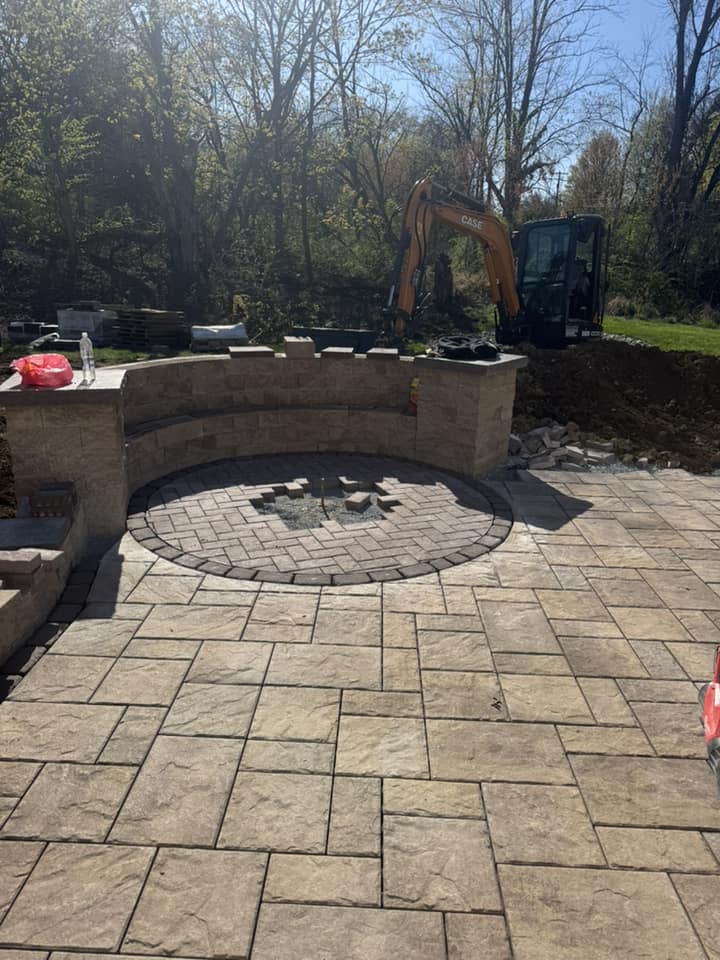
A request for a patio or retaining wall names a feature, but it does not describe the completed result. A patio may need a route from the house, room for furniture, a step at the door, and a clean connection to the lawn. A wall may need drainage, access above or below it, and landscape finish work around the new grade. Before asking for a number, explain what should become easier, where people will move, what must remain accessible, and how the new work should meet the rest of the property. That gives the hardscaping scope a clear purpose.
Which Property Conditions Need To Be Seen First?
Grade, water, and access can affect the job before the finish material is selected. Walk the proposed area after rain if possible and identify low spots, roof runoff, erosion, soft soil, old fill, tree roots, nearby utilities, and changes in elevation. Then trace the path from the street or driveway to the work area. A narrow gate, fence, mature bed, steep side yard, or limited staging space can affect equipment choice, material movement, disposal, protection, and cleanup. The estimate should reflect the real Mechanicsburg property, not only the square footage of the finished surface.
- Where does water enter, cross, and leave the proposed work area?
- Which doors, steps, walks, lawns, beds, or driveways set the finished elevation?
- How will equipment and materials reach the area?
- What existing surfaces, plantings, utilities, or features need protection?
What Does The Scope Include Below And Around The Surface?
The visible paver, block, stone, or concrete is only one part of a hardscape. Ask what removal, excavation, base preparation, finished pitch, edge support, wall backfill, drainage work, material delivery, excess-soil handling, and cleanup are included. Also confirm how the project will transition to lawn, planting beds, concrete, a porch, a driveway, or a pool-area surface. Two estimates can use the same general material and describe very different completed jobs. A useful comparison separates what is included, what is an allowance, what remains undecided, and what would be additional work.
- Removal and disposal of existing material
- Excavation, base, edge, and elevation details
- Drainage approach for the surface or wall
- Lawn, bed, concrete, and step transitions
- Cleanup, restoration, exclusions, and homeowner responsibilities
Which Option Is Actually The Better Value?
There is no universal least-expensive hardscape because the completed price depends on the feature, size, demolition, access, excavation, base work, drainage, grade changes, steps, walls, delivery, and surrounding repair. A material with a lower unit price may not create the lowest completed project if it needs more preparation or does not fit the intended use. Ask for options that suit foot traffic, furniture, slope, appearance, and upkeep, then compare the complete installed scope. If an estimate includes a material allowance, confirm which products it covers and how a different selection would change the total.
What Drawbacks And Maintenance Tradeoffs Should You Expect?
Hardscaping can create stable walking, seating, and grade-transition areas, but every layout has tradeoffs. More hard surface leaves less planted or lawn area and makes runoff direction more important. Joints, edges, walls, and adjoining soil still need attention, and seasonal exposure can reveal ponding, washed edges, movement, stains, or loose units. Before booking, ask how the chosen material should be cleaned, what products should be avoided, whether joint or edge care is expected, and which warning signs deserve a call. The goal is not a maintenance-free promise; it is a surface whose routine care fits the way you use the yard.
- How should the surface and joints be cleaned?
- Which ice-control or cleaning products should be avoided?
- What should be checked after heavy rain or winter weather?
- Which signs of settlement, ponding, or edge washout need attention?
Can Hardscaping And Landscaping Prices Be Compared Directly?
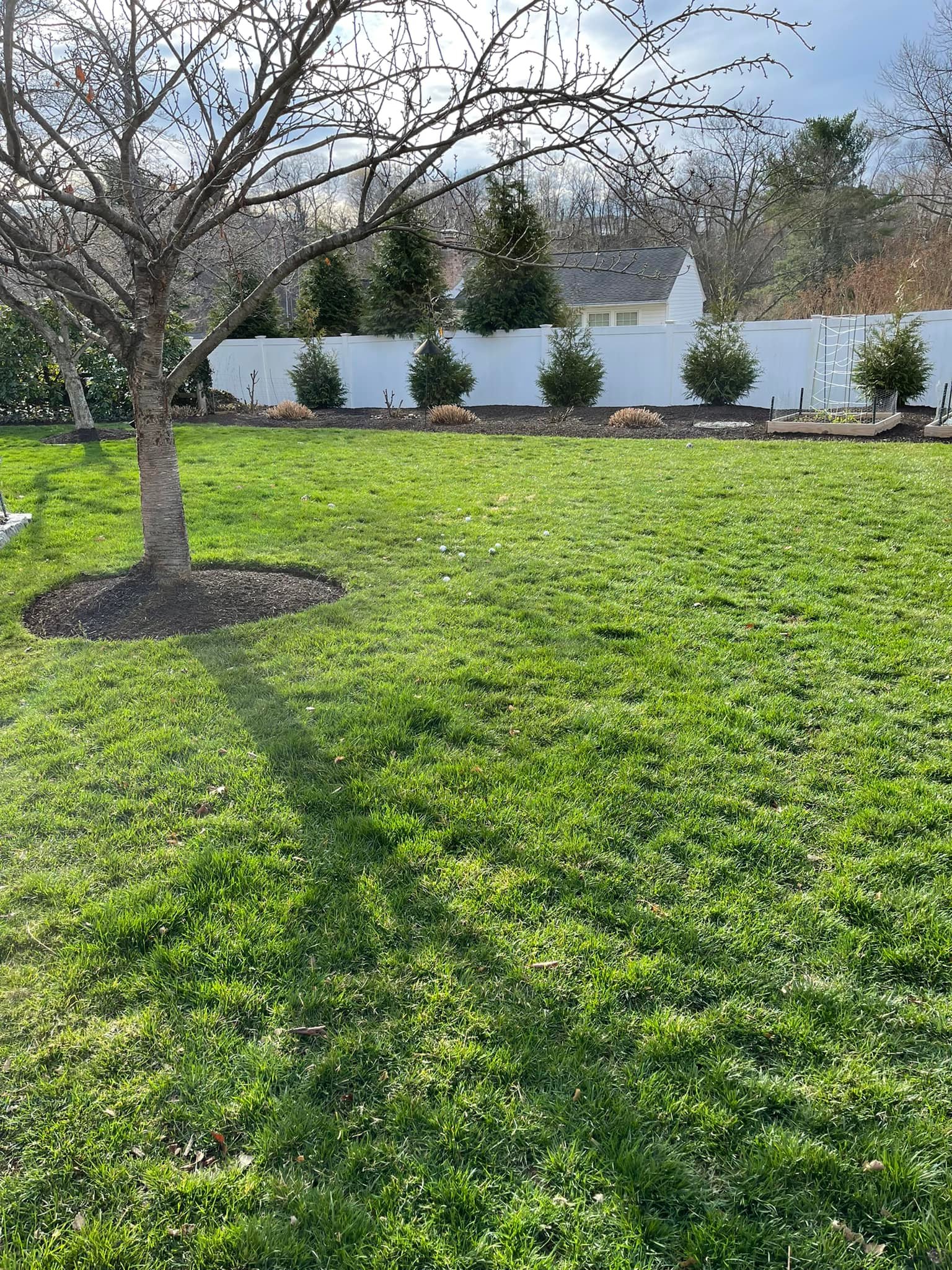
Hardscaping and landscaping are broad categories, so one is not automatically more expensive than the other. Hardscaping often involves built materials, excavation, base work, drainage, and equipment. Landscaping can range from a bed refresh to extensive grading, planting, lawn repair, and ongoing maintenance. The project scale and property conditions determine the cost. On many yards, the better question is which pieces belong together: a new patio may disturb lawn and beds, while a retaining wall may change the grade that the landscaping must finish. JM Outdoor Services offers both services, allowing homeowners to discuss the entire work area before separating it into phases.
What Should Be Settled Before A Date Goes On The Calendar?
Before booking, make sure the written scope identifies the feature, approximate layout or size, materials or allowances, preparation, drainage approach, access plan, transitions, cleanup, exclusions, and any homeowner responsibilities. Ask when selections need to be final, how weather or delivery changes are handled, and how newly discovered conditions or requested changes will be approved. If manufacturer or workmanship coverage applies, rely on the written details. A clear scope does not remove every unknown from outdoor work, but it gives the homeowner and contractor the same reference point when the project starts.
- Final and still-open material decisions
- Property access and staging expectations
- Connected excavation, landscaping, or concrete phases
- Weather, delivery, and site-condition contingencies
- Written process for substitutions and scope changes