Quick answer
Before booking hardscaping in Mechanicsburg, compare the complete written scope: what the feature needs to do, preparation below the surface, drainage and grade, material allowances, access, surrounding landscape repair, maintenance, exclusions, and how changes will be handled. The lowest material price or hourly rate does not reveal the completed project cost.
Mechanicsburg property check
Three details that can change a hardscaping estimate
Cumberland County treats stormwater as a planning concern. Show where downspouts discharge, where water collects, and how runoff currently crosses the proposed patio, walk, or wall area.
A fence, narrow side yard, slope, mature bed, driveway limit, or pool equipment can affect how materials, equipment, and removed soil move between the street and the project.
Point out doors, steps, lawn, beds, concrete, utilities, and any future pool-area or water-feature plans so the hardscape does not create an awkward elevation or unfinished edge.
1. What Should This Hardscape Make Easier?
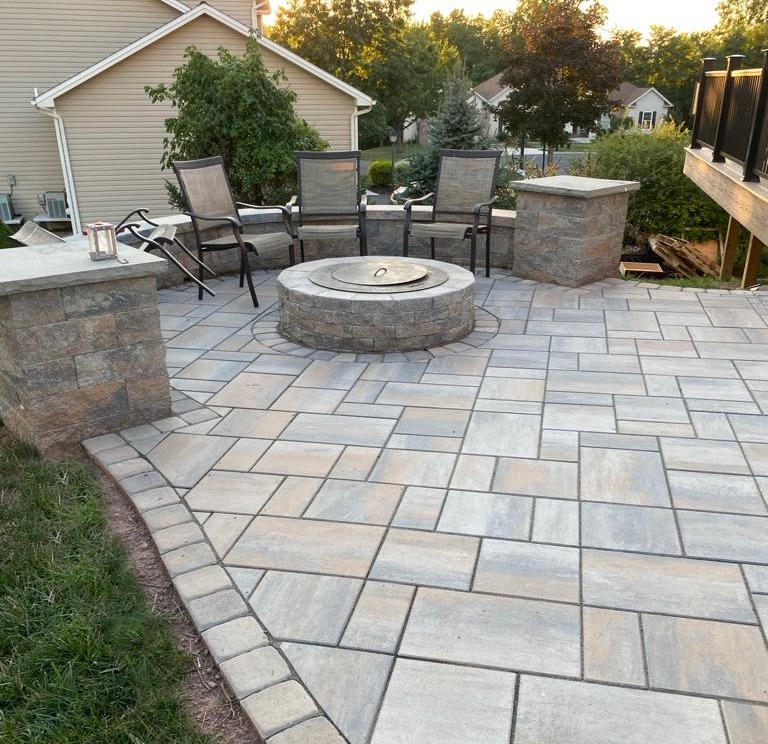
Begin with the problem to solve. A patio for a dining table needs enough usable surface and a comfortable route from the house. A walkway should follow the path people actually take. A retaining wall may hold a grade change, create level space, or make an edge easier to maintain. Outdoor steps need to connect elevations safely and naturally. Explain how people will use the area, what is frustrating now, and what must remain accessible. That conversation gives layout and material decisions a purpose instead of starting with color alone.
2. What Is Included Below And Around The Finished Surface?
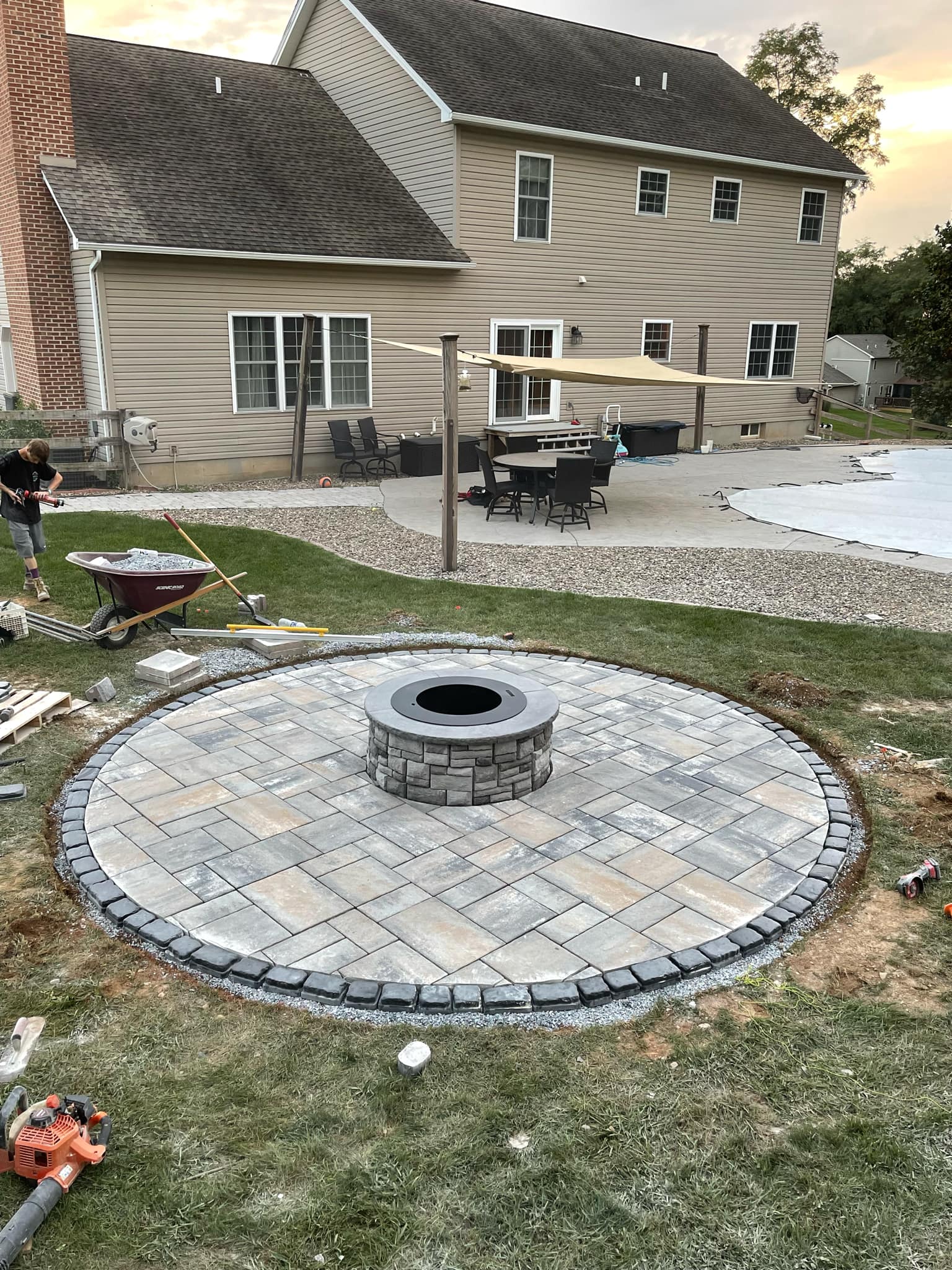
The paver, block, stone, or concrete you see is only part of the work. Ask what removal, excavation, base preparation, edge support, finished elevation, and cleanup are included. Then ask how the new feature will meet doors, steps, a driveway, lawn, or planting beds. Two estimates can describe the same square footage while including very different levels of preparation and restoration. Comparing those details is more useful than comparing the visible material price by itself.
3. Where Will Water Go When The Layout Changes?
A patio or walkway adds a finished surface, and a retaining wall changes how grade and water interact. Show the contractor low spots, washed lawn edges, downspouts, soft ground, and places that stay wet after rain. Ask how the surface will be pitched, how runoff will leave the area, how the new grade meets the lawn, and how water behind a wall is considered. Drainage belongs in the layout and preparation discussion—not in a punch-list conversation after the hardscape is built.
- Where does roof runoff enter the yard?
- Does water collect near the proposed work area?
- Will the new elevation direct water toward another surface?
- How are wall drainage and adjoining soil addressed in the scope?
4. Which Material Fits The Use, Budget, And Upkeep?
The cheapest hardscape option depends on the feature and site, not one universal material. Pavers, concrete, wall block, and stone serve different purposes, and the completed cost can change with removal, excavation, base work, access, drainage, edges, steps, and surrounding repair. Ask for options that suit the intended traffic, furniture, grade, appearance, and maintenance expectations. If an estimate uses a material allowance, confirm what product range it covers and how a different selection would affect the total.
5. Is An Hourly Rate A Useful Way To Compare Contractors?
An hourly rate alone cannot tell you the completed project cost. Crew size, equipment, delivery, access, material handling, preparation, disposal, and the amount of finish work all affect how many hours a project requires. A higher rate with the right equipment and a complete scope may not produce a higher total than a lower rate attached to more labor or missing work. Compare the written result, materials or allowances, exclusions, change process, and total estimate. If work will be billed by time, ask what is included in the rate and how time and additional costs will be documented.
- Is equipment included or billed separately?
- Are delivery, disposal, and cleanup included?
- Does the estimate cover landscape repair and transitions?
- How are unexpected conditions or scope changes approved?
6. Does The Project Need Landscaping Or Another Service Too?
Hardscaping covers built features such as patios, walkways, walls, and steps. Landscaping covers living and maintained areas such as lawn, plants, mulch, and beds. A project may also need excavation, grading, concrete, pool-area finish work, or preparation for a water feature. Ask which pieces belong in the initial scope and which should be a later phase. JM Outdoor Services offers these connected outdoor services, so homeowners can discuss the whole work area before a new patio or wall leaves rough soil, damaged lawn, or an unresolved transition at its edges.
7. What Should Be Clear In Writing Before You Book?
A useful written scope identifies the feature, approximate layout or size, materials or allowances, preparation, drainage approach, access plan, transitions, cleanup, exclusions, homeowner responsibilities, and decisions that remain open. Ask what routine cleaning, joint or edge care, and seasonal checks apply to the selected material. Confirm how substitutions, newly discovered site conditions, and requested changes would be discussed. If any manufacturer or workmanship coverage applies, rely on the written details rather than assumptions.
- What is included, excluded, or still to be selected?
- What property access must remain available?
- What routine care and warning signs should the homeowner know?
- How could weather, delivery, or hidden site conditions affect timing?