
Quick answer
A useful hardscaping estimate should make the complete scope easy to compare: the intended use, removal and preparation, drainage, material and edge choices, site access, surrounding landscape work, cleanup, aftercare, and any exclusions. The lowest visible price is not automatically the lowest-cost plan if important preparation or finish work is outside the estimate.
Mechanicsburg estimate prep
Bring these property details into the first conversation
Photograph low spots, downspouts, washed edges, and areas that stay soft. A new hard surface or wall can affect where runoff travels.
Measure gates and point out fences, slopes, mature beds, driveways, utilities, pool equipment, or other features along the route to the work area.
Show where the new work must meet doors, steps, lawn, beds, concrete, a driveway, or future outdoor features so those edges are part of the plan.
1. Am I Booking Hardscaping, Landscaping, Or A Connected Project?
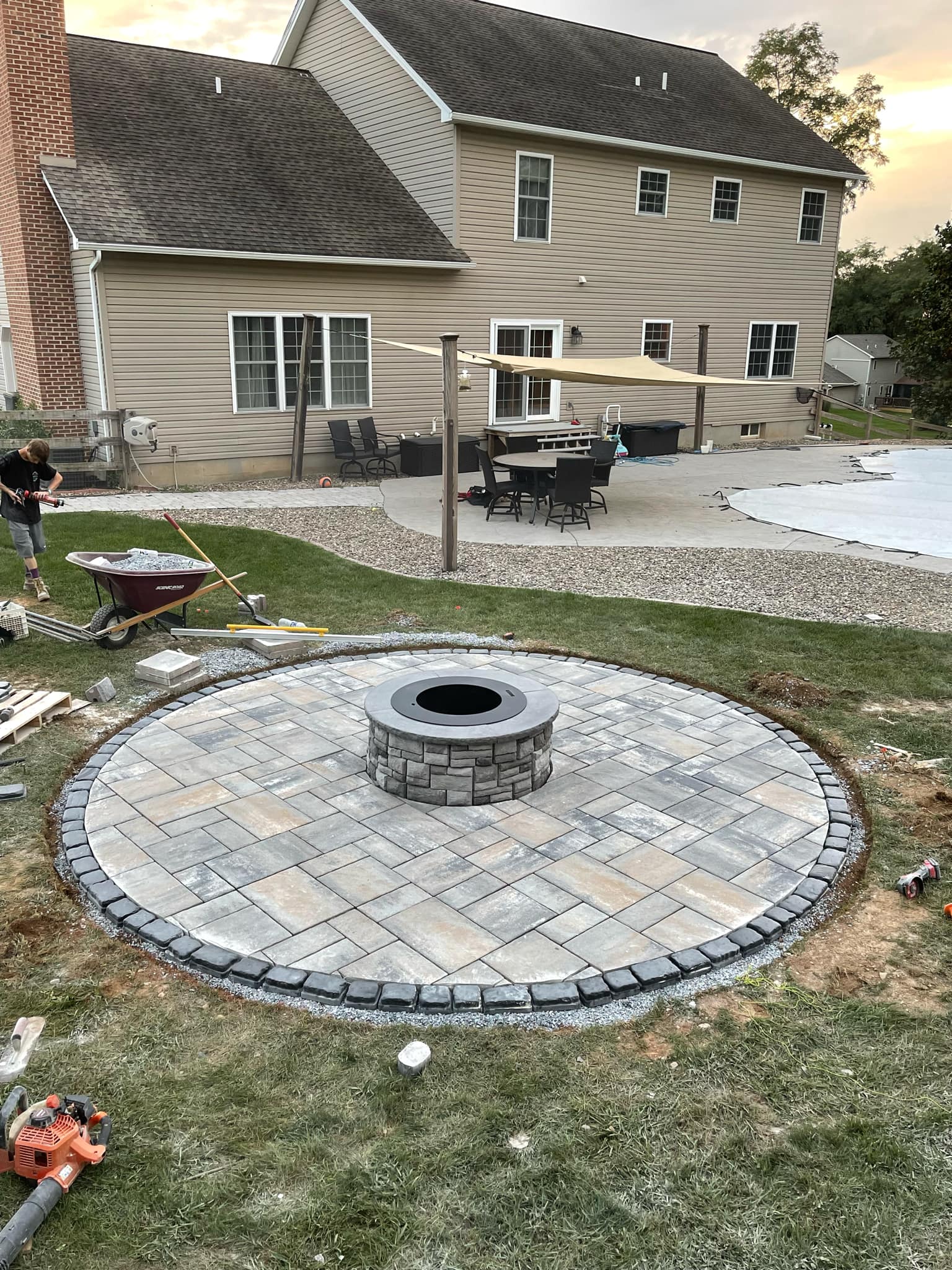
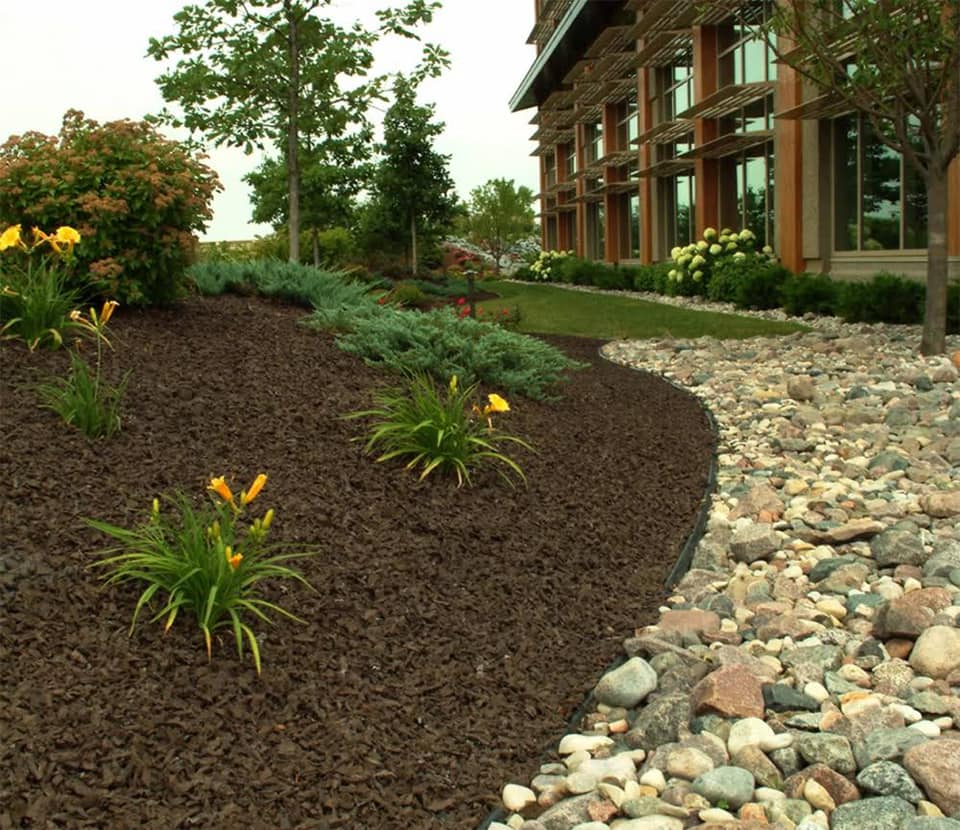
Hardscaping generally refers to built outdoor features such as patios, walkways, retaining walls, steps, and other durable surfaces. Landscaping covers the living and maintained parts of the yard, including beds, plants, mulch, lawn edges, and restoration. Many projects need both. A new patio can disturb lawn or beds; a wall can create a new planting edge; and a walkway may need grading around it. Ask which parts belong in the written scope and which would be separate. JM Outdoor Services offers both hardscaping and landscaping, so homeowners can discuss those connections before booking instead of discovering an unfinished transition later.
2. What Does The Price Include Beyond The Finished Surface?
The least expensive quote is only the least expensive option when the estimates describe the same work. Ask whether removal, excavation, base preparation, grading, drainage details, material delivery, edge restraints, steps, lawn or bed repair, and debris removal are included. An hourly rate by itself cannot show the total value of a project because crew size, equipment, materials, site access, and the amount of preparation all affect the completed scope. Compare written inclusions and exclusions before comparing totals. If a line is unclear, ask what condition would change it and how that change would be discussed.
3. What Preparation Supports The Patio, Walkway, Wall, Or Steps?
The work below and beside the visible material affects how the finished feature performs. Ask what must be removed, how the area will be excavated, how the base will be prepared, and how finished elevations will meet the house, lawn, driveway, or existing concrete. Retaining walls also need planning around grade and water behind the wall. The exact preparation depends on the feature, material, soil, slope, and expected use, so a useful answer should relate to the actual work area rather than offer one standard depth or method for every property.
4. Where Will Rainwater Go After The Layout Changes?
Patios, walkways, steps, and walls change the surfaces and elevations that guide water through a yard. Point out downspouts, low areas, erosion, soft ground, and runoff from neighboring surfaces. Ask how the layout and grade will move water without creating a new wet lawn edge or directing it toward the house. Cumberland County maintains stormwater planning resources, but requirements and site constraints can vary by municipality and project. Homeowners should ask what needs to be checked for their property instead of assuming every hardscape plan is handled the same way.
- Show where puddles remain after a typical rain.
- Identify downspouts and existing drains near the project.
- Discuss water behind retaining walls before choosing the final layout.
- Ask how new elevations will meet the surrounding lawn and beds.
5. Which Material Fits The Use, Budget, And Upkeep I Expect?
There is no single cheapest hardscape material for every property once preparation, layout, edges, repairs, and long-term care are considered. Pavers, concrete, wall block, and stone serve different purposes and create different finish and maintenance decisions. Explain how people will use the area, whether furniture or frequent foot traffic is expected, how the surface should connect to the house, and how much routine upkeep feels realistic. Ask how each suitable option affects the surrounding work instead of choosing from color or unit price alone.
6. What Maintenance And Warning Signs Should I Expect?
Ask what routine care is appropriate for the selected material and which products or practices should be avoided. Useful aftercare guidance may cover cleaning, joint condition, weeds or moss, stains, edge movement, and seasonal inspection. Homeowners should also know what changes deserve attention: recurring ponding, washed-out edges, loose units, spreading joints, or a surface that begins to settle can point to a drainage, base, or edge problem. The contractor should explain the maintenance expectations that apply to the chosen feature rather than promise that an outdoor surface will require no care.
- How and when should the surface be cleaned?
- What care do joints and edges require?
- Which ice-control or cleaning products should be avoided?
- Who should I contact if movement or drainage concerns appear?
7. How Will Access, Protection, And Cleanup Be Handled?
The route from the street to the work area can affect equipment, delivery, labor, and staging. Ask where materials and removed soil will go, which gates or driveway areas need to remain open, and how existing lawn, beds, fences, concrete, or pool equipment along the route will be addressed. Also confirm the condition in which the work area will be left between phases and at completion. For Mechanicsburg and other Cumberland County properties, sharing photos of the full access route can make the first estimate conversation more useful.
8. What Will Be Documented Before I Book?
Before scheduling, ask for a clear description of the feature, materials or allowances, preparation, drainage approach, transitions, connected services, cleanup, exclusions, and decisions that are still open. Confirm how material substitutions, unexpected site conditions, or scope changes would be discussed. Ask what aftercare information will be provided and whether any workmanship or manufacturer warranty applies; do not assume coverage that is not written. A useful booking conversation also identifies homeowner responsibilities, access needs, and the factors that may affect timing without treating an outdoor schedule as immune to weather or site conditions.