
Quick answer
There is no single best season for every Cumberland County property. Use spring to observe drainage, summer to confirm views and walking routes, and fall or winter to coordinate the next outdoor season. Plan the water feature with nearby patios, walkways, retaining edges, and landscaping before finalizing the layout.
Cumberland County outdoor planning
Three Site Details That Shape Cumberland County Hardscaping
Plan the feature around the surfaces people already use. Existing patio edges, concrete transitions, walk routes, seating areas, and mowing access should guide placement so the finished space works as one outdoor area.
Stone borders, retaining block, and grade changes need water to move cleanly. Review downspouts, runoff paths, wall drainage, splash areas, and low spots before choosing the final location or patio pitch.
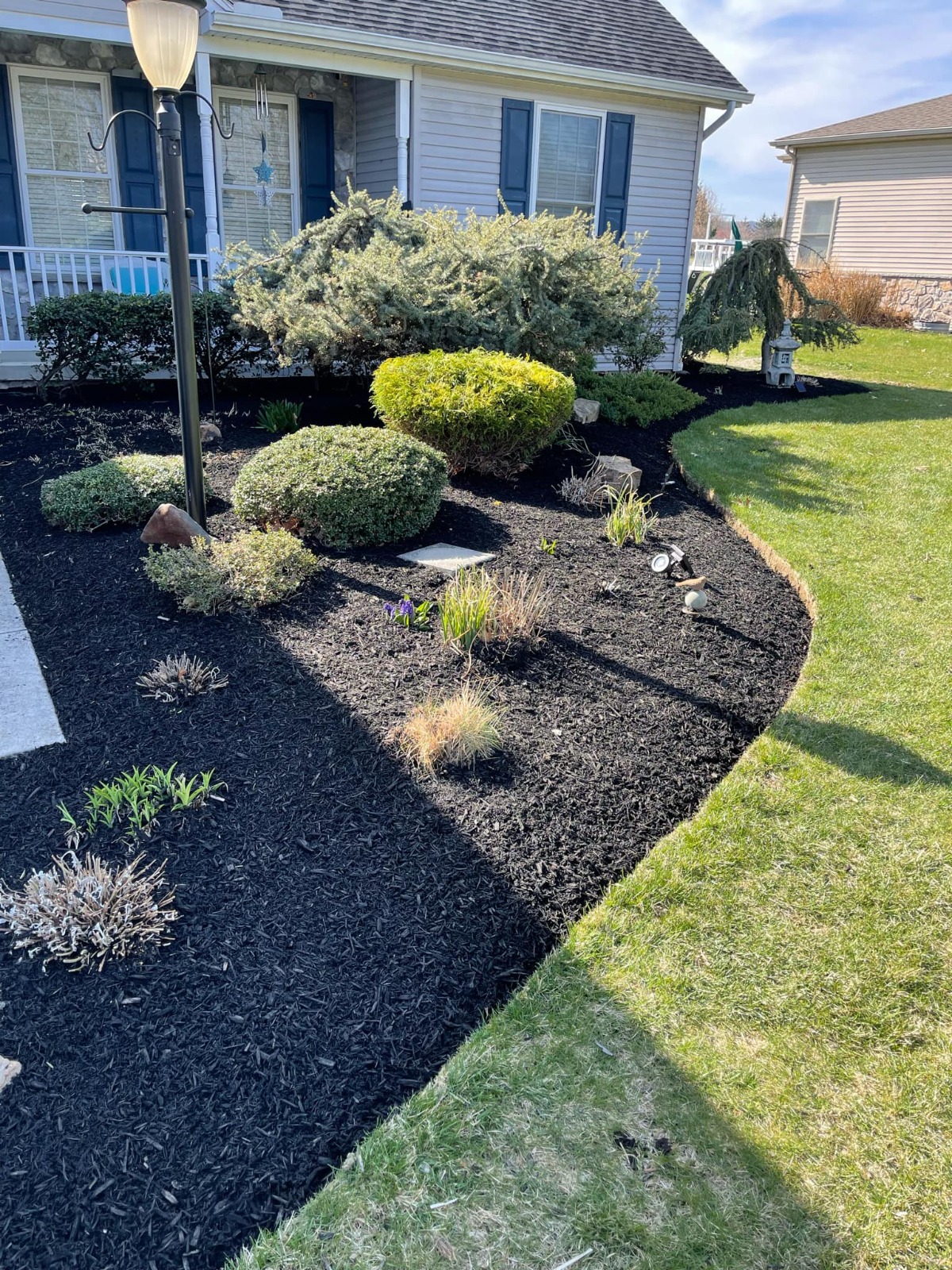
Beds, mulch, lawn repair, planting space, and maintenance access finish the project. Planning those details with the water feature helps avoid bare soil, tight corners, and awkward cleanup after excavation or material delivery.
Spring: Check Runoff Before Placing Pavers Or A Water Feature
Spring rain and thawing ground can make low spots, runoff paths, and soft lawn edges easier to notice. Before placing a fountain, pondless feature, patio, walkway, or retaining edge, watch where downspouts discharge and where water crosses the proposed work area. On established Cumberland County properties, photos taken after a normal rain can help identify how a proposed feature may relate to the yard's slope, existing beds, access route, and nearby hardscaping.
Plan Cumberland County Hardscaping And Water Features Together
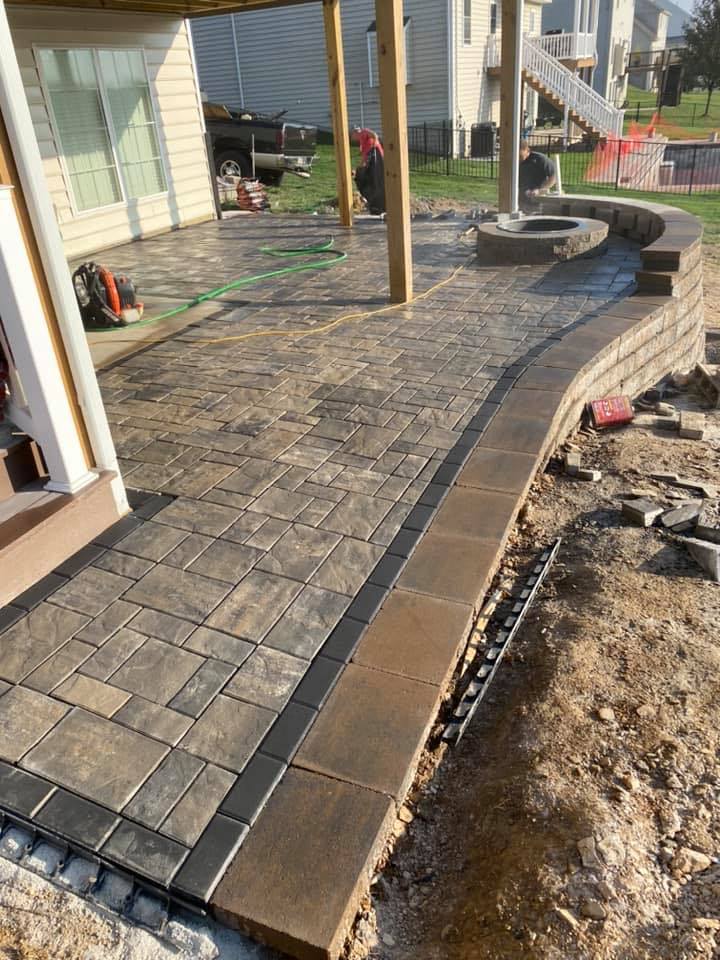
A water feature often sits beside pavers, retaining block, steps, stone borders, or a seating area. Planning those elements as one outdoor project allows the grade, access route, drainage, walking paths, maintenance space, and surrounding landscaping to be reviewed before materials or final dimensions are selected. The same site conditions that shape a Cumberland County patio or wall can determine where a water feature belongs and which work should happen first.
Hardscaping Or Landscaping: What Belongs Around The Feature?
Hardscaping is the built part of the setting: patios, walkways, steps, retaining walls, stone borders, and concrete transitions. Landscaping covers planting beds, mulch, lawn repair, and other living parts of the yard. A finished water-feature area may need both. Review the full outdoor scope so stable walking routes, grade changes, planting space, and maintainable edges work together instead of becoming separate fixes later.
Summer: Confirm Views, Foot Traffic, And Patio Use
Summer is useful because you can see where people sit, grill, walk, entertain, and relax. A water feature may be better viewed from a patio door, deck, kitchen window, pool area, or seating space than from an unused corner of the property. If hardscaping is also being considered, everyday summer routines can help shape patio dimensions, walkway routes, retaining-wall placement, and a feature location that remains practical to reach and clean.
- Views from seating areas, doors, windows, and decks
- Foot traffic between the house, patio, pool, and lawn
- Shade, leaf drop, splash areas, and cleaning access
- Furniture, grills, planters, and future outdoor use
Keep A Stable Route For Water-Feature Maintenance
By late summer, plant growth, splash areas, early leaf drop, dry spots, and worn lawn paths are easier to notice. A feature surrounded by tight planting, loose mulch, uneven stone, or a narrow walkway may be harder to reach and clean. Use those clues to adjust the walkway, patio edge, bed shape, or access route before installation decisions are made. A stable route to pumps, basins, and other service points should be part of the hardscape plan, not an afterthought.
Fall And Winter: Coordinate The Next Outdoor Season
Fall and winter are useful planning windows when a project connects several parts of the yard. Cumberland County homeowners can compare water-feature placement with patio edges, retaining walls, pool-area transitions, grading, and landscape cleanup before the next outdoor season. Dormant plants or frozen ground may hide warm-weather conditions, so keep summer photos and notes about foot traffic, shade, planting growth, and wet areas to show how the property works throughout the year.
Choose The Site Before The Feature Size
A smaller feature in the right location often performs better than a larger one that interrupts mowing, blocks a walkway, or sits where nobody sees it. Views from inside the home, seating areas, shade, utilities, existing beds, and water movement should all shape placement. JM Outdoor Services looks at how the feature connects to daily use so it feels like part of the outdoor space instead of a separate ornament.
Build Clean Edges Between Hardscape, Beds, And Lawn
A water feature needs finished edges. Stone, mulch, planting beds, paver borders, concrete, lawn repair, and clean grade transitions can all affect the final look. Those details are especially important when the feature is close to a patio, retaining wall, walkway, or pool area. Planning the finish work at the same time helps the new feature settle into the yard cleanly and reduces the chance of bare soil or awkward maintenance spots around it.
- Stone borders that tie into nearby hardscaping
- Mulch and plantings that leave room for cleaning
- Paver or concrete edges that do not trap runoff
- Lawn repair where excavation or material movement affects turf
Resolve Drainage, Excavation, And Power Early
A water feature may need maintenance access, excavation, practical drainage around nearby surfaces, and a safe plan for any required power. The location should account for roof runoff, lawn slope, nearby hardscaping, existing concrete, utilities, and future landscaping. Discussing those site factors before the layout is finalized helps uncover conflicts that may affect the feature, patio pitch, retaining edge, or access route.
Coordinate Pool Areas, Patios, And Water Features
Pool-area water features and nearby outdoor features need to work with concrete, seating, lawn edges, planting beds, drainage, and foot traffic. A feature that looks good in a photo can still create splash, access, or cleanup problems if the surrounding space is too tight. JM Outdoor Services can talk through whether hardscaping, concrete support, landscaping, or pool-area finish work should be included in the same plan.
What Shapes A Cumberland County Hardscaping Estimate?
The cost of hardscaping around a water feature depends on the complete installed scope rather than one material price or hourly rate. Surface area, excavation and base preparation, drainage, grade changes, equipment access, paver or concrete choices, retaining edges, and landscape repair can all affect the estimate. A smaller hardscape footprint may be the more budget-conscious choice when it still provides stable access and manages water appropriately. Compare what each proposal includes before comparing totals.
- Size and shape of patios, walkways, steps, or retaining edges
- Excavation, base preparation, slope, and drainage needs
- Paver, stone, wall block, or concrete selections
- Crew and equipment access through the property
- Landscape beds, lawn repair, cleanup, and maintenance access
Request An Estimate Before Finalizing The Layout
Reach out once you know which part of the property you want to improve, even if you are still comparing feature ideas. JM Outdoor Services can discuss water features, hardscaping, pool-area improvements, drainage concerns, and related landscaping for Cumberland County properties in the same conversation. Share the location, preferred timing, work-area photos, and any patio, walkway, retaining wall, concrete, landscape bed, or future outdoor-living plan that should connect to the feature.